Laboratory procurement sits between two groups that describe the same item differently. The bench wants a grade and a specification; purchasing wants a code, a quantity and a price. Most avoidable problems happen in the gap between the two.
The practices below cost nothing to adopt and remove a large share of the friction from ordering chemicals and consumables.
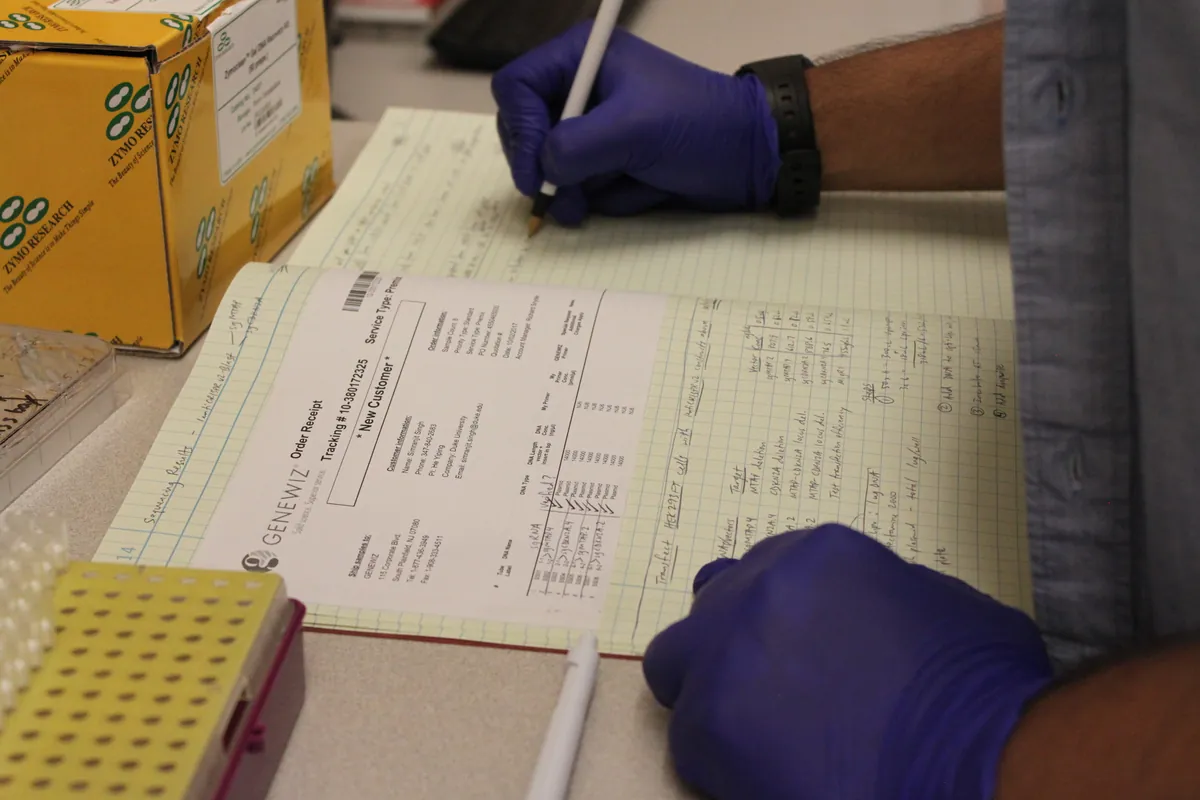
Specify completely the first time
An enquiry that carries the full specification is answered once. One that carries only a chemical name generates a round of clarifying questions, and each round adds days.
- Chemical or item name as your method states it.
- Grade — LR, AR, ACS, GR, HPLC, or the pharmacopoeial standard.
- Pack size in the unit you want to receive.
- CAS number for chemicals; product code for labware.
- Quantity, and whether part-quantities are acceptable.
- Whether a certificate of analysis or batch documentation is required.
Buy for consumption, not for unit price
The lowest cost per gram is rarely the lowest cost per experiment. Hygroscopic solids, peroxide-forming ethers and light-sensitive reagents all deteriorate once opened, and a part-used container that has drifted out of specification has to be replaced anyway.
A useful discipline is to estimate honestly how much you will use in six to twelve months and size the pack to that, accepting a slightly higher unit price for a reagent that is still fit for purpose when you reach the bottom of the bottle.
Plan around lead time
Not every item ships from stock. Bulk pack sizes, specialised grades and less common reference materials are frequently made or imported to order.
Where a chemical is critical to a routine method, it is worth agreeing a reorder point with your supplier rather than ordering when the shelf is empty. Flagging a forthcoming project early usually shortens the wait considerably.
Think about storage before the delivery arrives
- Segregate by compatibility — oxidisers away from flammables, acids away from bases and cyanides.
- Keep flammable solvents in an appropriate cabinet and in quantities your storage can actually accommodate.
- Respect stated storage temperatures; several biochemicals and reference materials require refrigeration on arrival.
- Record the date a container is opened, not just the date it is received.
- Keep the safety data sheet accessible alongside the stock, not filed away separately.
Consolidate where it makes sense
Separate small orders raised through the month cost more in freight, paperwork and handling than a single consolidated order raised against a planned list.
Consolidating also makes substitution discussions easier. When a supplier can see the whole requirement, alternatives of an equivalent grade can be suggested where one line is delayed, rather than holding the entire order.
Handling substitutes and equivalents
Occasionally the exact item is unavailable and an equivalent is offered. Whether that is acceptable depends entirely on what the specification is protecting.
A different manufacturer’s AR grade of the same chemical is usually a straightforward substitution. A different grade, a different hydration state, or a different pharmacopoeial standard is not — those change the substance or the guarantee attached to it.
The workable rule is that the bench decides, not purchasing. Have the person who wrote the requirement confirm the equivalent in writing before it is ordered, and record which product was actually supplied against the batch of work it was used for.
Documentation worth asking for
- Certificate of analysis for the specific batch supplied, where the work will be audited or reported externally.
- Safety data sheet in current form, particularly for a chemical the laboratory has not held before.
- Batch number and expiry or retest date recorded on the delivery note, not only on the container.
- Confirmation of the pack size and grade actually supplied where the order allowed an equivalent.
Keep a working item list
A simple maintained list of the items your laboratory reorders — name, grade, pack size, CAS number, manufacturer code and typical annual consumption — is the single most useful procurement document a laboratory can hold.
It makes reordering a matter of sending a list rather than reconstructing a specification, and it makes budgeting for the year considerably more accurate.
It also survives staff changes. A great deal of procurement knowledge in laboratories is carried informally by one experienced person, and a written list is what keeps ordering accurate when that person is on leave or moves on.
Procurement rewards precision far more than it rewards negotiation. A clear, complete specification sent once will nearly always beat a vague one sent quickly.
This article is a general procurement guide. Always follow the manufacturer safety data sheet and your own laboratory policy before handling or specifying any chemical.